Livestock performance starts in the digestive system. Whether the goal is milk production, weight gain, body condition, reproductive success, or feed efficiency, the animal has to digest and use nutrients well. A ration may look good on paper, but if digestion is poor, the operation may still lose money.
Gut health is not a trend. It is a practical part of animal performance. Healthy digestion supports intake, nutrient absorption, immune function, manure consistency, and overall animal comfort. When the digestive system is under stress, producers may see lower production, uneven gains, digestive upsets, rough appearance, poor feed conversion, or animals that simply do not perform the way they should.
For livestock producers, supporting gut health means looking beyond crude protein, energy, and mineral levels. It means paying attention to the living system inside the animal.
Digestion Is Where Feed Becomes Performance
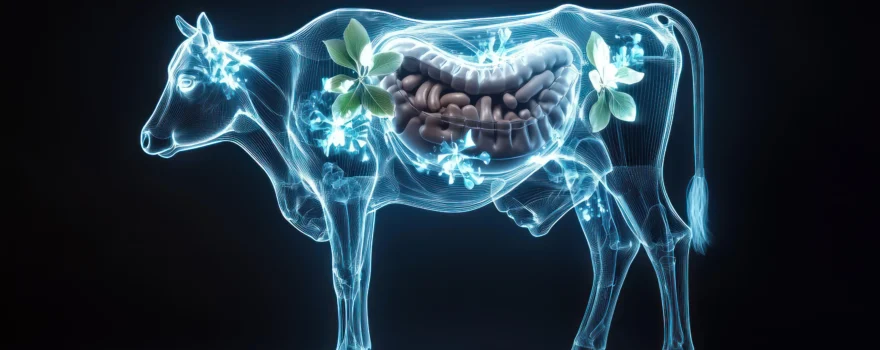
Feed only has value when the animal can use it. For cattle, the rumen plays a major role in fermenting feed and producing usable energy. In all livestock species, the intestines are responsible for nutrient absorption and gut barrier function.
If the digestive environment is out of balance, feed may pass through without delivering its full value. This can affect body condition, production, growth, and health.
That is why a gut-focused feeding program should look at forage quality, feed consistency, microbial balance, bunk management, water access, stress, and overall ration design.
Signs Gut Health May Need Attention
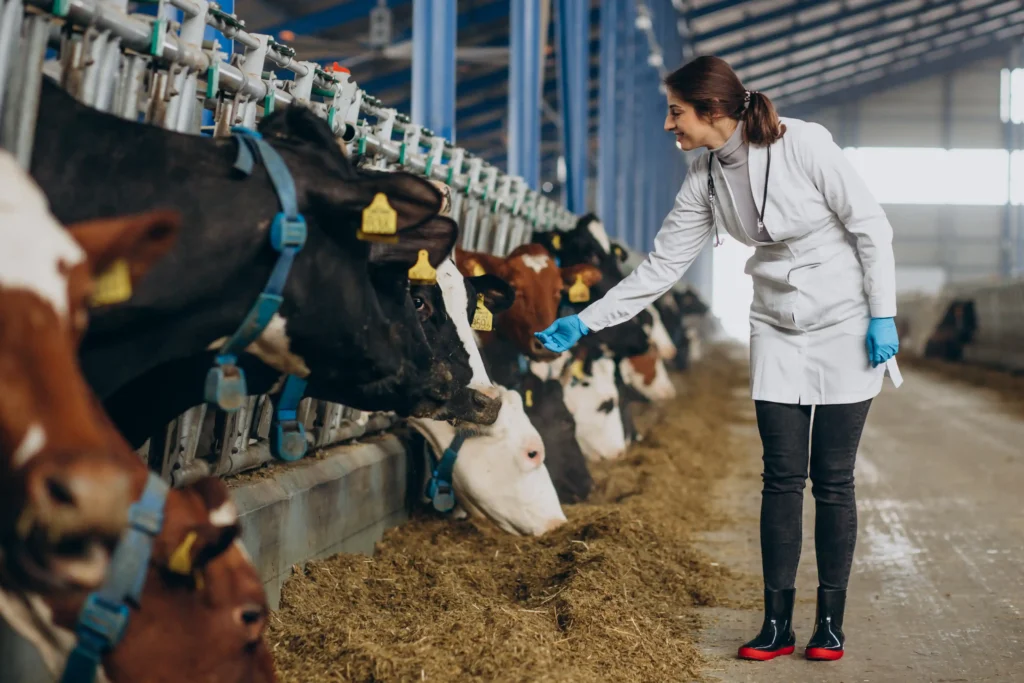
Digestive issues can show up in different ways depending on the species and stage of production. Producers may notice inconsistent manure, reduced appetite, poor gains, lower milk components, rough hair coat, bloating concerns, digestive upsets, higher treatment rates, or animals that are slow to recover after stress.
Sometimes the signs are subtle. A group may still be eating, but not converting feed efficiently. Cows may still be milking, but not holding condition. Calves or growing animals may still be gaining, but not at the level expected for the feed cost.
When performance does not match the ration, gut health should be part of the investigation.
Microbes Matter
The digestive tract is full of microbes that help break down feed, support fermentation, and influence gut balance. When beneficial microbes are supported, animals may be better able to handle ration changes, environmental stress, and digestive challenges.
1 on 1 Nutrition’s 10-G Microbial Feed Additive is described as a blend of five specifically selected beneficial bacteria for cattle at all stages of life. The company explains that these bacteria attach to the intestinal lumen, support the lower gut environment, and can help improve digestion and performance by promoting beneficial microflora. (1on1nutrition.com)
Microbial support is not a replacement for a balanced ration. It is one tool that may help the animal use the ration more effectively.
Stress Can Disrupt Digestion
Livestock digestion is sensitive to stress. Heat, transportation, ration changes, overcrowding, calving, weaning, poor water access, inconsistent feeding, disease pressure, and muddy conditions can all affect intake and gut function.
During stress, animals may eat less, sort more, drink less, or experience digestive imbalance. That can quickly reduce performance.
A good nutrition plan should anticipate stress points. For dairy cattle, that may include the transition period and heat stress. For beef cattle, it may include weaning, receiving, backgrounding, or finishing transitions. For swine and poultry, group changes, feed changes, and environmental stress can all affect performance.
Feed Consistency Supports Gut Stability
Gut health depends on consistency. Sudden ration changes, variable forage moisture, inconsistent mixing, spoiled feed, poor bunk management, or irregular feeding times can all challenge digestion.
Even a well-formulated ration can underperform if the delivered ration changes day to day. Producers should watch dry matter changes, forage quality, feed storage, mixing time, particle length, feed refusals, and water availability.
Consistency helps the digestive system stay more stable, which supports better performance.
Gut Health and Feed Efficiency Go Together
When digestion improves, feed efficiency often becomes easier to achieve. Animals that digest feed well may consume more consistently, absorb nutrients more effectively, and convert feed into milk, meat, growth, or body condition more efficiently.
This is especially important when feed costs are high. Producers do not only need cheaper feed. They need the feed they buy or grow to work harder.
1 on 1 Nutrition’s consulting philosophy emphasizes using local forages and grains when possible while supporting performance with targeted products and ration analysis. The company has provided livestock nutrition consulting for more than 35 years across North America. (1on1nutrition.com)
Start With a Ration Review
If animals are not performing as expected, start with the basics. Review forage tests, ration balance, feed delivery, water access, bunk behavior, manure, health records, and production data. Then evaluate whether microbial support, energy support, or other feed additives may help.
1 on 1 Nutrition offers product consulting and free ration analysis for producers, facilities managers, and nutritionists. A gut-focused ration review can help identify whether digestion, microbial balance, or feed consistency may be limiting performance.
Better livestock performance does not begin at the scale, milk tank, or sale barn. It begins with digestion.