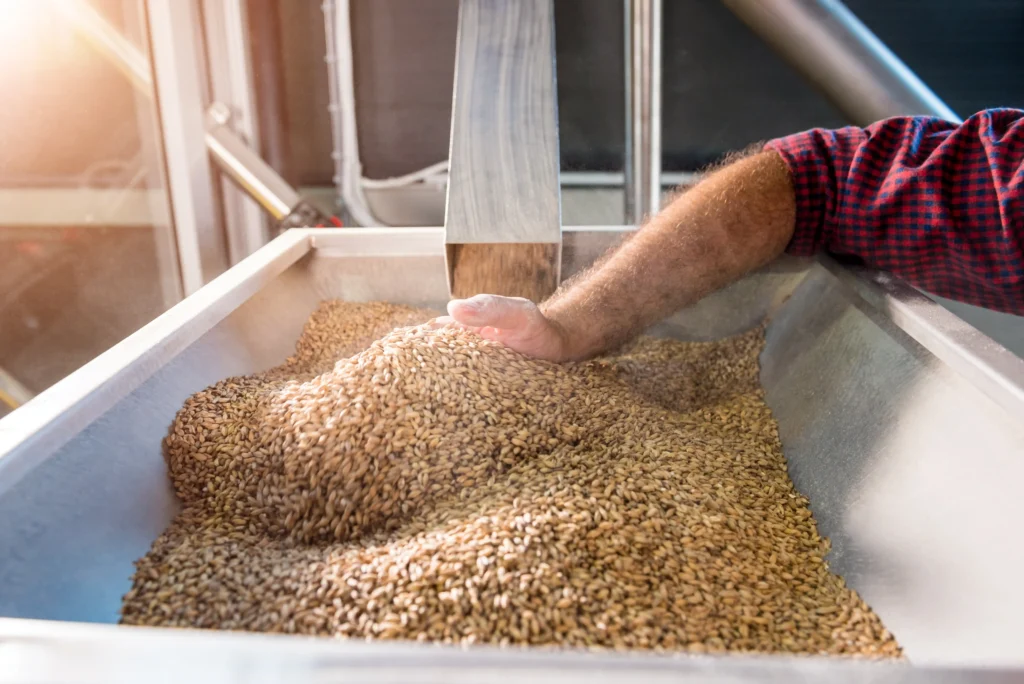
How to Improve Feed Efficiency Without Overfeeding Grain. Feed costs can make or break a livestock operation. When performance slows, body condition slips, milk components drop, or cattle are not gaining the way they should, the first reaction is often to add more grain. On the surface, that seems logical. Grain brings energy, and energy drives performance.
But overfeeding grain is not always the best answer.
In many herds, the real opportunity is not simply feeding more. It is helping animals make better use of the ration they already have. Better feed efficiency means the animal converts feed into growth, milk, body condition, or performance more effectively. That requires looking at forage quality, rumen balance, energy availability, microbial activity, and overall ration design.
Start With the Forage You Already Have
Many producers have more value sitting in their forage program than they realize. Pasture, hay, silage, and other roughage sources can support strong performance when they are evaluated and balanced correctly.
The challenge is that forage quality changes. Weather, harvest timing, storage, moisture, maturity, soil conditions, and handling can all affect feed value. A ration that worked well last season may not deliver the same results this season.
Before adding more grain, it makes sense to look at what the animals are already eating. Are they consuming enough dry matter? Is the forage palatable? Is there waste at the bunk? Is the ration consistent from day to day? Are animals sorting feed? Are there signs of digestive upset?
Small changes in forage utilization can have a major impact on profitability.
More Grain Can Create New Problems
Grain can be useful, but too much grain can stress the digestive system. In cattle, high-grain rations may contribute to rumen pH challenges, reduced fiber digestion, inconsistent intake, and sub-clinical acidosis concerns. When the rumen is not functioning well, the animal may not capture the full value of the feed being offered.
That is why feed efficiency is not just about calories. It is about how those calories are delivered and used.
A balanced ration should support microbial activity, stable digestion, and steady intake. When the rumen environment is more stable, animals are often better positioned to utilize nutrients from both forage and concentrate portions of the diet.
Look for Signs of Poor Feed Efficiency
Producers often notice performance problems before they know the cause. Warning signs may include inconsistent manure, reduced cud chewing, poor body condition, low milk components, uneven gains, feed refusal, excessive sorting, dull hair coat, or animals that seem full but are not performing.
The ration may look good on paper, but the animals tell the real story. Bunk behavior, manure consistency, chewing activity, and production records should all be part of the evaluation.
If feed costs are rising but output is not improving, the operation may have a feed efficiency problem rather than a simple feed quantity problem.
Support the Rumen, Not Just the Ration
A ration is only effective if the animal can digest and utilize it. That is where rumen support becomes important.
1 on 1 Nutrition’s approach focuses on helping producers use locally grown feedstuffs, roughage, and pasture when possible while coordinating energy and microbial support to improve performance. The company’s site notes that its consulting work is built around using local forages and grains where possible, rather than relying only on outside feed inputs.
Products such as 10-G Microbial Feed Additive and Alcohol Animal Feed are positioned to support digestion, rumen efficiency, energy availability, and feed utilization. The goal is not simply to “add something” to the ration. The goal is to help the existing feeding program work better.
Consistency Matters
Animals perform best when the ration is consistent. Sudden changes in forage, grain level, moisture, mixing, bunk timing, or feed delivery can disrupt intake and digestion.
Feed efficiency improves when animals know what to expect. That means consistent feeding times, proper mixing, clean bunks, good water access, and routine observation. Even the best ration can underperform if management practices are inconsistent.
Use a Ration Analysis Before Making Big Changes
Guessing gets expensive. Before making major ration changes, producers should consider a ration analysis. A good review looks at forage, grain, supplements, animal goals, production stage, body condition, and cost per head per day.
1 on 1 Nutrition offers free ration analysis and product consulting for livestock producers, facilities managers, and nutritionists looking for practical solutions. The company’s product line is designed to serve beef, dairy, swine, poultry, and equine operations with flexible product recommendations.
Feed Smarter Before Feeding More
Improving feed efficiency does not always mean buying more feed or pushing more grain. Sometimes the better answer is to balance what you already have, support rumen function, reduce waste, and improve nutrient use.
For producers facing high feed costs, inconsistent performance, or ration concerns, a free ration analysis is a smart first step. Better performance starts with understanding what is happening in the feed, in the animal, and at the bunk.