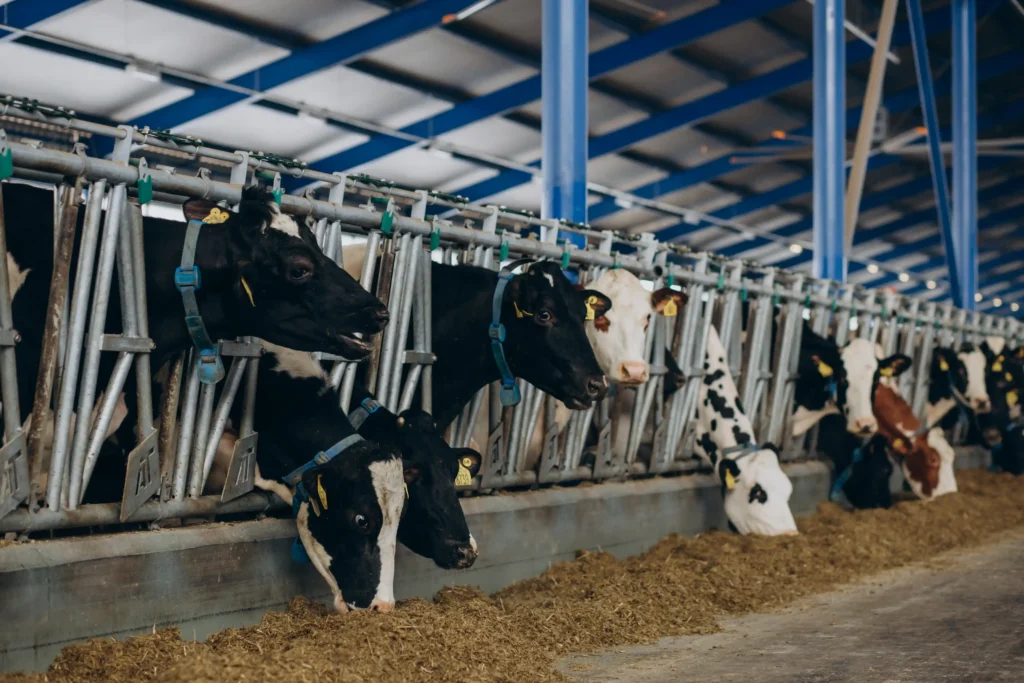
Protect Milk Production in dairy cattle during the heat! When temperatures rise, dairy cows feel it fast. Heat stress is one of the biggest hidden profit killers in dairy production. It can reduce feed intake, lower milk yield, impact reproduction, and increase health challenges across the herd.
Many producers notice the symptoms but underestimate how much performance is slipping day after day.
The good news is that while no one can control the weather, you can control how your nutrition program responds to it. With the right strategy, producers can help cows stay productive, maintain body condition, and better handle hot conditions.
At 1 on 1 Nutrition, we work with producers to build practical feeding strategies that support performance when conditions are working against you.
What Is Heat Stress in Dairy Cattle?
Heat stress happens when cows cannot cool themselves efficiently enough to maintain normal body function. Dairy cows naturally generate a lot of metabolic heat, especially high-producing animals. Add summer temperatures, humidity, poor airflow, or crowded conditions, and stress builds quickly.
Even before severe symptoms appear, performance often starts dropping.
Common signs include:
- Lower dry matter intake
- Reduced milk production
- Increased water consumption
- More standing and less resting
- Panting or faster breathing
- Loose manure
- Lower conception rates
- Greater risk of metabolic issues
By the time visible stress is obvious, production losses may already be underway.
Why Nutrition Matters During Heat Stress
During hot weather, cows often eat less. That means they may take in fewer nutrients at the exact time their bodies still need energy, maintenance, and milk production support.
This creates a difficult balance: less intake, but ongoing demand.
That’s why summer feeding strategies need to focus on nutrient density, rumen stability, hydration support, and consistent feed delivery.
Nutrition alone is not the only answer, but it plays a major role.
Key Nutrition Strategies for Hot Weather
1. Increase Energy Efficiency
When intake drops, every pound of feed matters more. Rations should be reviewed for overall energy delivery and ingredient efficiency.
This may include:
- Improving digestibility
- Adjusting forage-to-concentrate balance
- Reviewing starch sources
- Incorporating specialty energy solutions when appropriate
The goal is not just adding more feed. It’s helping cows get more from what they do consume.
2. Protect Rumen Function
Heat stress can increase sorting behavior and inconsistent eating patterns. That can raise the risk of rumen upset, acidosis, and lower butterfat performance.
Supportive strategies may include:
- Consistent particle size
- Adequate effective fiber
- Buffer support when needed
- Reliable feed pushups
- Stable mixing procedures
Healthy rumen function supports healthier cows.
3. Prioritize Water Access
Water is one of the most important nutrients in hot weather. If water availability, cleanliness, or flow is limited, cows feel it quickly.
Make sure:
- Tanks stay clean
- Water is easy to access
- Flow rates meet herd demand
- Crowding is minimized near water sources
Higher-producing cows need even more access during hot periods.
4. Feed for Consistency
Hot weather can reduce feed freshness and increase spoilage risk. Bunks that heat up or inconsistent feeding times can lower intake further.
Simple management improvements often help:
- Feed at cooler times of day
- Remove spoiled refusals
- Keep schedules consistent
- Watch bunk behavior daily
Small adjustments can make a measurable difference.
Why High Producers Need Extra Attention
The cows producing the most milk are often the first to feel summer pressure. They generate more internal heat and have higher nutrient demands.
That means one ration for the whole herd may not always be enough.
Grouping strategies, production monitoring, and targeted nutrition reviews can help keep top animals from sliding backward during summer months.
The Cost of Ignoring Heat Stress
Even moderate heat stress can impact profitability through:
- Lower milk shipped
- Reduced components
- Poorer reproduction
- Higher health costs
- Lost body condition
- Greater culling pressure
Many of these losses happen gradually, making them easy to miss until they become expensive.
Why Producers Work With 1 on 1 Nutrition
Every farm is different. Available forages, herd size, facilities, and production goals all matter. That’s why generic feeding advice often misses the mark.
1 on 1 Nutrition works directly with producers to evaluate rations, identify weak points, and build practical strategies designed for real-world conditions. Their team has decades of livestock nutrition consulting experience across North America and focuses on solutions tailored to the operation.
Final Thoughts
Summer stress does not have to define herd performance. With the right nutritional adjustments and daily management habits, producers can help cows stay productive and healthier through the hottest months.
If heat is affecting intake, milk, or consistency in your herd, now is the time to review the ration and make proactive changes.
Contact 1 on 1 Nutrition to discuss a nutrition strategy built for your operation.